Master of Divinity (MDiv)
The MDiv program is the standard program for the preparation of a candidate for ordination.
To be admitted to this program, a student must have a bachelor’s degree or its equivalent from a recognized college or university. To attain the MDiv degree a student is required to complete the three-year program with an overall average of no less than 60%. For detailed MDiv course information, click HERE.

Bachelor of Theology (BTh)
In the first two years ContextualEducation allows the student to enter more fully into the life of a local parish. This program is required though no credit is given academically.
In the First Semester, the student is expected to become acquainted with the local parishes of their tradition. Students are encouraged to attend a number of different parishes in order to experience the richness of the tradition. In the Second Semester of the first year of study, the student is expected to find a parish home and to attend this parish each Sunday while in Saskatoon. In the First and Second Semesters of the second year of study, the student and parish will enter into a pre-covenant in ministry. This parish commitment is to be no more than four hours a week.

Master in Theological Studies (MTS)
The MTS program is a two-year program of study for persons who, while not contemplating ordained ministry, wish to engage in serious academic study of theology. Another option is the MTS-Specialization in Spiritual Care.
This degree may be transferred directly into the MDiv degree program.
To be admitted to this program, a student must have a bachelor’s degree or its equivalent from a recognized college or university. To attain the MTS degree, a student must complete the program with an overall average of not less than 60%.

Licentiate in Theology (LTh)
The Licentiate in Theology is a two-year program designed for students who do not have a university degree. There is also an Ordination Stream option. Anyone may apply for this program.

Doctorate of Ministry (DMin)
The DMin program is administered through the Graduate Studies Council. For more information, candidates are requested to contact the Principal (principal@emmanuelstchad.ca).

Occasional Students
Some people may wish to take courses for credit or audit before applying for and registering in a degree program. These students may register as “occasional students” and take up to two courses per semester (a total of 12 credit units per academic year). An occasional student can complete a total of 30 credit units at which point they must make application to a degree program in order to continue their studies.

Addictions Ministry
Substance use disorder is a growing concern in our rapidly progressing society. It can be a strange, and terrifying experience both for those who suffer from it, and those who witness it. But did you know that substance use disorder, otherwise known as addiction, has its roots in biological processes, and socioeconomic factors that affect all of us?
Join us as we explore the history, biology, and an approach to substance use disorders, and contextualize it to a Biblical worldview!

A Theology and Ethic of Healthcare
Illness and healing are more than medical experiences; they touch our identity, our stories, and our deepest beliefs. Whether you are a caregiver, a seeker, or someone who has walked alongside suffering, this course offers tools for making meaning, holding space, and finding direction in the messy, beautiful work of care.
This course explores how spiritual worldviews, cultural identity, and moral complexity shape how we understand illness, healing, and end-of-life choices. Drawing on diverse theological traditions, students will examine how power, trauma, and social location impact both caregivers and care seekers. Topics include aging, intergenerational trauma, Medical Assistance in Dying (MAiD), and more. Whether you are a practitioner, chaplain, caregiver, or simply curious, you’ll gain deeper insight into how faith and ethics intersect in real-world healthcare settings—and how to align your values with your actions.

Indigenous Spiritualities and Theologies
The Christian church in Canada is committed to a knowledge and understanding of our partnerships and right relationships with the Indigenous peoples of Canada. Taught by two Indigenous leaders at the forefront of these discussions in Canada, this class explores the history of these partnerships and relationships and asks a simple question: where is God in all of this?
Come and join us for a 3-session class this Fall that explores this topic and many more. Registration is simple and easy: just email the registrar and ask to join!

Theology & Society
The Certificate of Theology and Society is a program designed to address significant questions and challenges in our society from a theological perspective.
Each class takes a piece of our complex, multi-faceted society and addresses it in a rich, discussion-driven classroom space. Students are encouraged to share from their experiences and generate an inclusive experience for all involved.
The program can be completed once 10 classes, or micro credentials, have been completed. Classes typically take place outside of regular working hours for your convenience.Don’t hesitate to become a part of these very important conversations – register today!

The Spiritual Journey - Discerning Your Call (Part 1)
This course is designed to help the student discern and to better understand the ministries (lay or ordained) to which God is calling them. The areas of focus will include understanding discernment processes; spiritual gifts (and how to use them); spiritual formation (how do I grow as a Christian?); ministry and praxis (what do I do?); and theological reflection (become a theologian!). Consideration is given to the student’s unique context and experience and how one can effectively work and
move within those contexts.
Diploma in Anglican Studies
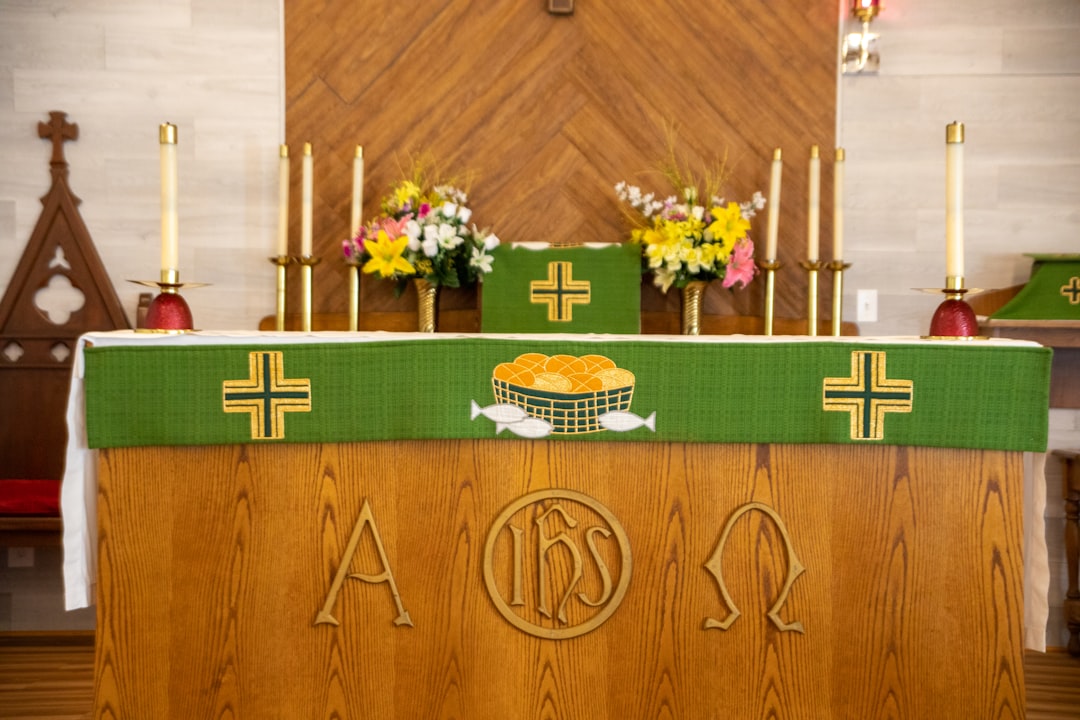
The Diploma in Anglican Studies offers a comprehensive foundation in the history, theology, liturgy, and spirituality of the Anglican tradition. Designed for ordinands, transfer clergy, and lay leaders, this program deepens your understanding of the Anglican identity within the global communion. Students engage in rigorous theological reflection, exploring the Book of Common Prayer and Book of Alternative Services, historical developments from the Reformation to the modern era, and the nuances of Anglican polity and canon law.